Native Eagle Embroidery Design Review
As a professional embroidery designer who has spent years translating digital files into tangible brand assets, I approach every new machine embroidery design with a critical eye. My focus is not just on whether the pattern looks good in a hoop, but how it performs when applied to small business merch, uniforms, and custom apparel. Today, I am reviewing the Native Eagle Embroidery Design. This specific file falls under the Birds category, but its application extends far beyond simple decoration. For boutique owners, Etsy sellers, and apparel decorators, understanding the practical utility of this digital embroidery file is the difference between a successful product launch and wasted thread.
First Impressions: Bold Symbolism for Brand Identity
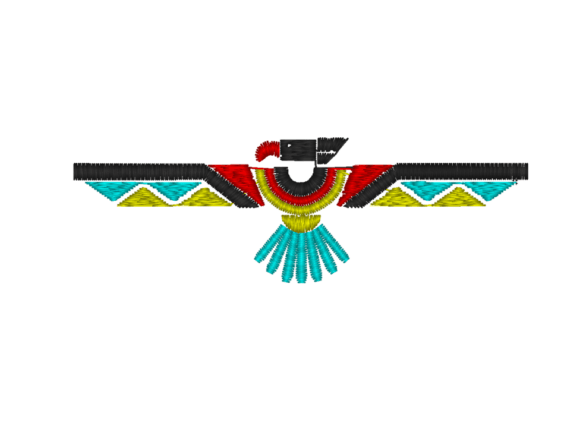
The first thing that strikes me about the Native Eagle Embroidery Design is its inherent strength and clarity. In the world of branding, an eagle represents power, freedom, and vision—qualities many small businesses want to project. Visually, the design feels both classic and rustic, making it versatile for various industries from outdoor gear shops to artisanal bakeries. Unlike overly intricate patterns that lose definition when stitched, this design appears to have clean lines suitable for commercial embroidery.
For a handmade product line or a creative studio looking to elevate their visual consistency, this design offers a premium feel. It does not scream "playful" or "modern" in a tech-startup way; instead, it exudes a timeless quality that builds customer trust. When placed on a tote bag design or as a chest logo accent on a work shirt, it immediately signals professionalism. The silhouette is distinct enough to be recognized even at a distance, which is crucial for cap embroidery or large event merch where visibility drives engagement.
Real-World Application: From Patches to Uniforms
When evaluating how the Native Eagle Embroidery Design performs in real business use, the dimensions become a key factor. At 4.4x1.4 inches (113x36 mm), this is a horizontal layout that fits perfectly as a sleeve detail on a staff uniform or a waist-level accent on an apron embroidery project. This size is ideal for embroidered patches, allowing you to create branded product add-ons that can be sewn onto denim jackets, backpacks, or canvas totes.
I have seen many small business owners struggle with finding designs that fit standard patch sizes without distorting the image. This file seems optimized for that exact purpose. Imagine a local café using this design on their barista aprons; the eagle becomes a subtle yet powerful mark of their brand identity. Similarly, for a pet brand or florist, this motif adds a touch of nature-inspired elegance to their packaging accents or customer gifts. Because it is a digital file compatible with major formats like DST, PES, JEF, and HUS, it integrates seamlessly into existing workflows for embroidery shops and decorators.
The versatility extends to event merch and Etsy branding. If you are creating limited edition items for a craft fair, this design allows for quick turnaround times. You can produce a batch of custom apparel quickly, knowing the stitch path is reliable. Whether it is a cap front or a label on a handmade product, the Native Eagle Embroidery Design holds its own against other design assets in your portfolio.
Critical Considerations: Where Caution is Needed
While the potential is high, experienced designers know that no file is universally perfect without testing. There are specific scenarios where the Native Eagle Embroidery Design requires careful handling. First, consider the aspect ratio. At 4.4 inches wide and only 1.4 inches tall, this is a long, narrow design. While great for sleeves, it may be too wide for a standard cap front unless you are using a larger bucket hat or adjusting the placement significantly. Attempting to force this width onto a curved surface like a baseball cap bill could lead to puckering if the fabric texture is thick.
Stitch density is another area to monitor. With complex bird designs, high stitch density can sometimes cause the backing to stiffen, which is undesirable for items that need frequent washing, like staff shirts or aprons. You must ensure the stabilizer used matches the weight of the fabric. If you are embroidering on dark uniforms, the contrast of the thread colors will be vital. A light-colored eagle on a black background works well, but you must check that the underlay stitches provide enough coverage to prevent the fabric color from showing through the details.
Furthermore, while the file supports many formats including DXF, T15, and XXX, always verify the compatibility with your specific machine model before starting a production run. Some older machines might struggle with certain jump stitches or trims inherent in the native file structure. Do not assume the default settings are correct for your specific thread type or needle gauge.
Designer Notes for Professional Execution
To get the best results from the Native Eagle Embroidery Design, I recommend a strict protocol before committing to a full order. Start by test stitching the design in black and white on a scrap piece of the actual fabric you intend to use. This allows you to inspect spacing and identify any areas where threads might bunch up. Check if the design maintains its integrity at the intended small patch size. Sometimes, what looks crisp on a screen loses detail when reduced or stretched.
Review the thread color palette carefully. High contrast often makes the most impact for brand recognition, but harmonious tones can create a more sophisticated look for boutique merchandise. Confirm your hoop size accommodates the 113mm width without needing excessive re-hooping, which can misalign the finished product. Always use the proper stabilizer to support the fabric texture, especially if working with stretchy materials or heavy denim.
Before presenting the design to a client, create a printable mockup. This helps visualize how the Native Eagle Embroidery Design sits on the final garment and ensures alignment with the rest of the brand's visual language. Compare it beside other design assets to ensure it doesn't clash with existing logos or typography. Finally, and most importantly, confirm the commercial licensing terms. Since this is a digital file, you need assurance that you have the rights to use it for unlimited commercial embroidery projects, including resale on platforms like Etsy or Amazon.
Final Verdict for Small Business Merch
The Native Eagle Embroidery Design is a robust asset for any decorator or business owner looking to infuse their products with character and authority. Its horizontal format makes it uniquely suited for sleeve patches, apron logos, and tote bag marks, offering a distinctive alternative to the typical square or circular designs. By paying attention to stitch density, fabric choice, and proper stabilization, you can transform this digital file into a high-value physical product.
For those building a brand around quality, tradition, or outdoor themes, this design enhances buyer engagement and reinforces brand identity. It is not merely a decorative element; it is a tool for differentiation in a crowded market. Whether you are running a small embroidery shop or managing a handmade brand, incorporating this Birds category design into your catalog can significantly boost the perceived value of your custom apparel and merchandise. Just remember to test, stabilize, and license correctly, and you will have a winner on your hands.